







Search Results for: government intervention

U.S. Intervention in Tigray: Peace Deal Implementation Faces Internal and External Challenges, Ethiopia's Coffee Industry Under Pressure
The chairman of Ethiopia's Tigray interim government met with the US special envoy for the Horn of Africa on September 12, and the two sides discussed the difficulties and ways forward in implementing the Pretoria Peace Agreement. The US side expressed support for the Tigray interim government in accelerating the completion of its tasks, while the Tigray side called on the international community to jointly exert pressure to ensure the return of displaced people and ease the humanitarian crisis. However, after the agreement was signed, local violent conflict has still not subsided, divisions within the TPLF have intensified, and the risk of civil war has resurfaced. At the same time, the depreciation of Ethiopia's currency and soaring prices are putting pressure on people's livelihoods, and instability in the northern agricultural areas is gradually spilling over into the southern coffee-producing regions, with exchange rate volatility and rising costs becoming severe challenges facing the country's coffee industry. [more…]
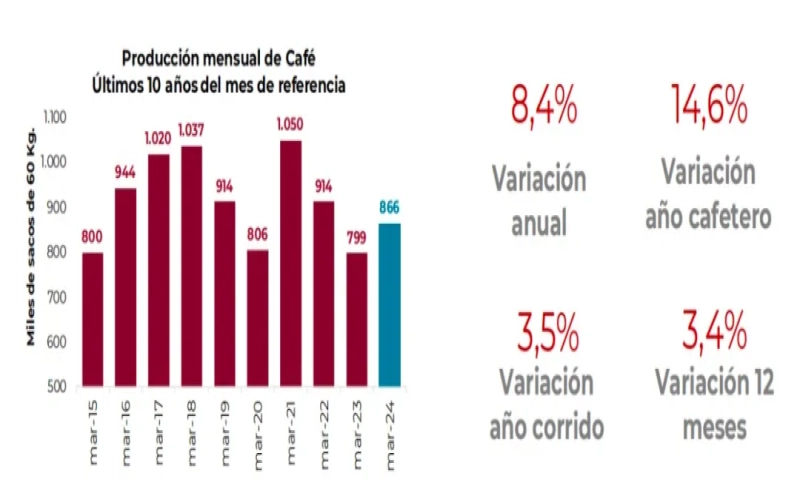
Colombia Coffee March Export Report: Production Declines Month-on-Month, FNC Calls on Government for Assistance
The latest March export report released by the National Federation of Coffee Growers of Colombia (FNC) shows that although coffee production and export volume for the month increased compared with the same period last year, both declined month-on-month, mainly due to drought weather. At the same time, Colombia's president previously proposed that the state should take over the FNC, sparking industry controversy, while the government has so far taken no practical action. Coffee growers' committees from 15 provinces across the country jointly spoke out, pointing out that the coffee industry is facing a difficult period and calling on the government to provide necessary assistance rather than encourage division. This article will provide a detailed interpretation of the report data, climate impacts and policy controversies, and bring related recommendations from Front Street Coffee. [more…]
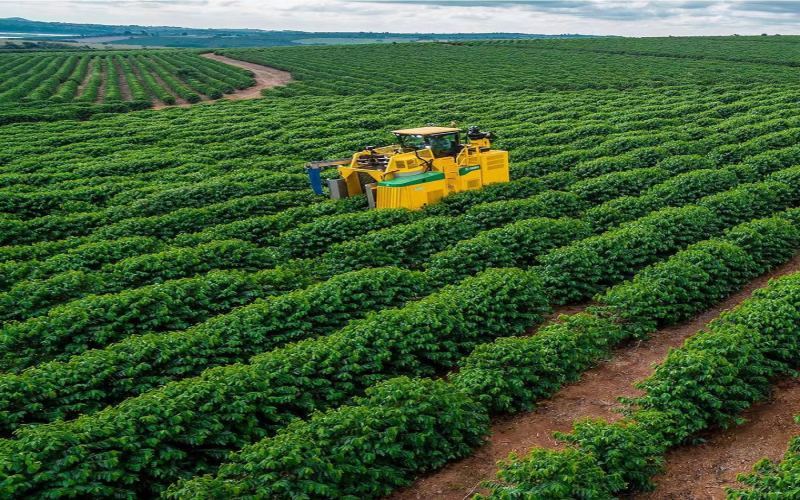
The Past and Present of Brazilian Bourbon Coffee: A Full Analysis of the Variety and Flavor from Introduction to Specialty Producing Regions
As the world's largest coffee producer, Brazil's coffee cultivation history can be traced back to 1727. From its initial introduction to today, where the state of Minas has become a core specialty coffee region, Brazilian coffee has undergone government control, free market opening, and quality reform. This article systematically reviews the variety characteristics and flavor performance of the Brazilian Bourbon variety, and how Front Street Coffee presents the unique charm of Brazilian coffee through two beans from Cerrado and Queen's Estate, along with detailed brewing parameters and flavor descriptions. [more…]
Analysis of Brazilian Coffee Flavor and Mouthfeel: Characteristics and Industry Overview of Coffee Beans from the Cerrado Region
Brazil, as the world's largest coffee producer, is known for its low-acidity, medium-roasted coffee with nutty and chocolatey notes. This article will introduce you to Brazil's main coffee regions—Paraná, São Paulo, Minas Gerais, and Espírito Santo—with the Cerrado region being particularly well-known. We will also explore the history of Brazil's coffee industry, its grading methods, and the current production situation of small farmers. Front Street Coffee recommends you try Brazil Cerrado coffee beans to experience their rich, balanced flavor. Whether you are a coffee enthusiast or a professional in the industry, this article will help you gain a comprehensive understanding of this "giant" of the coffee world. [more…]
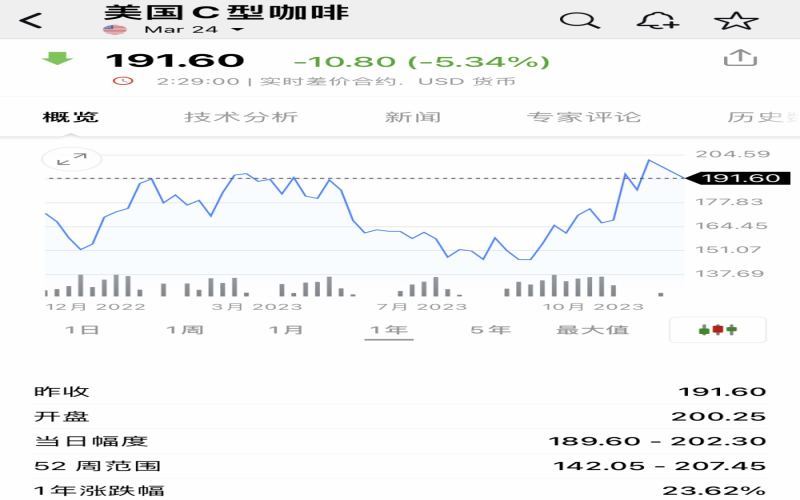
Analysis of U.S. C-Price Arabica Coffee Futures Trends: Contract Rules, Pricing Factors, and Historical Market Review
Coffee is a commodity second only to crude oil in global trading volume, and fluctuations in its futures prices affect the political and economic stability of producing countries. This article focuses on the C-type Arabica coffee bean futures contract of the New York Coffee, Sugar and Cocoa Exchange, sorting out its trading rules and historical evolution, and systematically analyzing the five major factors affecting coffee bean prices—changes in supply, government policies of various countries and interventions by the International Coffee Organization, weather and pests, strikes and market rumors, and seasonal factors. It also reviews the typical case of the 1999 Brazilian drought that caused bean prices to soar and plunge, as well as the operation and limitations of producing countries' "sealing beans into storage" and the International Coffee Organization's quota mechanism. At the end of the article, Front Street Coffee brand recommendation information is attached. [more…]

Colombian Government Moves to Take Over FNC: Coffee Industry Faces Dual Test of Policy and Conflict
Colombia's coffee industry stands at a crossroads of change. The National Federation of Coffee Growers (FNC), which has long represented the country's coffee industry, has always operated as a private company, but now President Gustavo Petro has explicitly stated at a major coffee producers' conference that the state must take over the FNC in order to advance the industrialization of the coffee industry and optimize the use of public resources. At the same time, the government has also launched a "Coffee Price Stabilization Fund," providing growers with economic compensation of up to 80% per kilogram. However, the domestic armed conflict continues to escalate, and the anti-government armed group the "Central General Staff" has issued a warning, with peace talks and military threats existing side by side. This article will sort through this series of policy changes and security challenges, and include related recommendations from Front Street Coffee. [more…]
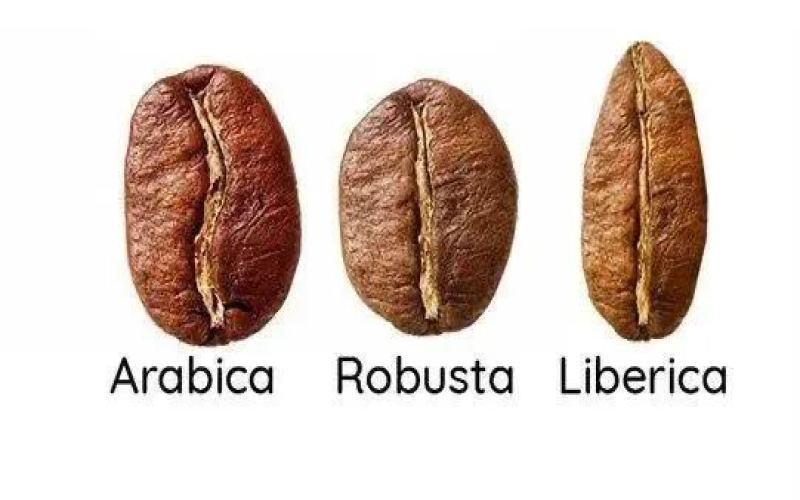
Liberia Restarts Liberica Coffee Cultivation, Pushing for Agricultural Economic Diversification and Transformation
The Liberian government recently announced that it will reintroduce the Liberica coffee variety native to the country as a key measure to revitalize the coffee industry and promote agricultural diversification. This West African nation, whose coffee industry was long stalled by civil war, is now seeking to return to the international market amid rising global coffee consumption and tightening supply, leveraging Liberica's advantages such as strong disease resistance and low caffeine content. At the same time, the incoming Minister of Agriculture pledged to review the national agricultural investment plan within 100 days to ensure that economic crops such as coffee receive substantive support. This article will outline the revival path of Liberia's coffee industry and its potential opportunities in the global coffee landscape, and, from the perspective of Front Street Coffee, present the future possibilities of this producing region. [more…]
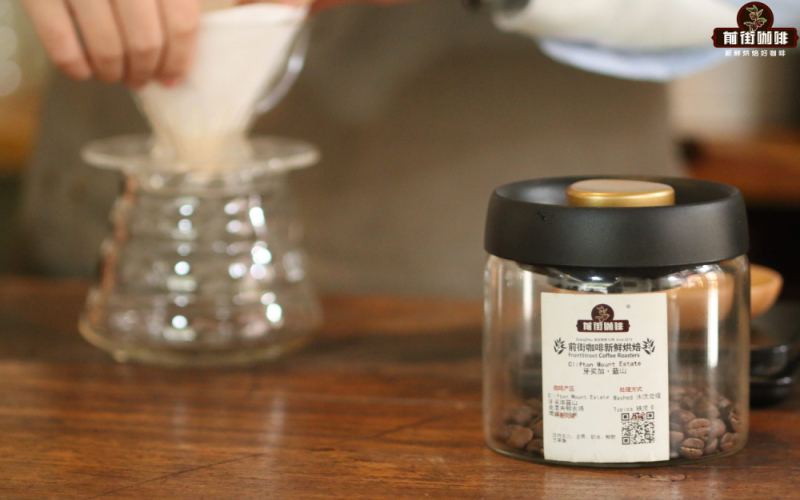
A Comprehensive Analysis of Jamaica's Coffee Classification System and Blue Mountain Coffee Grade Standards: From Regional Certification to Bean Type Grading
The name Blue Mountain coffee is almost universally known, and "Blue Mountain flavor" drinks are everywhere on supermarket shelves and in vending machines, but how exactly are coffee beans that truly meet the Jamaican Blue Mountain standard defined? Into what categories does the Jamaican coffee industry classify coffee? From the perspective of Front Street Coffee, this article sorts out the Blue Mountain coffee producing regions, the differences between the washed and natural processing methods, and the rainforest certification background of Clifton Mount Estate, reviews the historical thread of Jamaican coffee from its rise in the 18th century to the revival brought about by the intervention of Japan's UCC, and explains in detail the CIB certification system and the bean-size grading standards such as NO.1, NO.2, NO.3, and PB, helping coffee enthusiasts build a practical framework for identifying authentic Blue Mountain coffee. [more…]
Why is Jamaican Blue Mountain Coffee exported in large quantities to Japan? Front Street Blue Mountain No. 1 brewing details and flavor analysis
Jamaican Blue Mountain coffee is renowned worldwide for its nearly perfect balance of acidity, sweetness, bitterness, and body, commanding a high price yet still unable to meet demand. Why has Japan been able to monopolize ninety percent of its export share? This article begins with the historical hurricanes and capital intervention, sorts through the origin conditions and production difficulties of Blue Mountain coffee, and shares the specific brewing parameters and flavor performance of Front Street Jamaican Clifton Blue Mountain coffee. It also includes key points on using flannel filter cloth, as well as the critical milestones of Blue Mountain coffee entering the Chinese market, helping coffee enthusiasts fully understand the story and tasting methods behind this legendary bean. [more…]
From Coca Fields to Coffee Plantations: The Rocky Road of Colombia's Coffee Industry Transformation
Colombia is the world's second-largest coffee-producing country, and its coffee is renowned worldwide for its smooth, balanced flavor. However, this nation abundant in high-quality coffee was once mired for a long time in coca cultivation. From the agricultural economy of the colonial period to the shocks of the modern market, from the government's eradication of coca to guiding farmers to switch to coffee, Colombia has walked an extremely difficult road. This article will sort through this history, analyze the struggle between cocaine and coffee, and the multiple challenges facing the transformation of the coffee industry, such as cultivation training, transportation, and funding guarantees. [more…]

All provisions of Kenya's Finance Bill withdrawn, yet unrest persists, coffee and tourism industries hit hard
On July 25, the Kenyan Parliament unanimously voted to delete all 65 clauses of the 2024 Finance Bill, yet failed to quell the escalating wave of public protests. From the clashes triggered by tax increases in June to the dissolution of the cabinet and the opposition party's entry into government, which sparked even greater discontent, the demonstrations have spread to Nairobi, Mombasa, and other places, affecting the tourism and coffee industries. As an important coffee-producing country in Africa, Kenya has seen coffee processing plants shut down and exports blocked, casting a grim outlook on the industry's development. Front Street Coffee continues to monitor developments in the producing areas and brings you in-depth analysis. [more…]

Why Are Ethiopian Coffee Beans So Uneven in Size? A Complete Analysis from Farming Models to Processing Flows
Many coffee enthusiasts notice a phenomenon when buying Ethiopian heirloom coffee beans: the bean sizes are uneven. The reason behind this is not accidental, but closely related to Ethiopia's unique coffee cultivation system. As the birthplace of coffee, Ethiopia has thousands of unidentified coffee varieties, which the government protects under the name "Heirloom." However, the real key to uneven bean size lies in its diverse cultivation models—plantation coffee, forest coffee, semi-forest coffee, and garden coffee coexist, plus the mixing of multiple varieties during harvesting and processing, ultimately forming the "natural grand mix" that we see. This article will break down these stages one by one, taking you deeper into the root causes of uneven Ethiopian heirloom beans. [more…]
A Complete Guide to Brazil's Specialty Coffee Regions: Varieties, Flavors, Grading, Processing Methods, and Brewing Guide
Brazil is the world's number one coffee producer and a region that cannot be overlooked in the specialty coffee world. This article systematically breaks down the distribution of coffee-producing regions in Brazil, its main varieties, flavor characteristics, grading standards, and processing methods, and provides a detailed introduction to the complete practical workflow from roasting and grinding to brewing. Whether you are a beginner pour-over enthusiast or a seasoned player looking for base beans for blends, you will find practical information about Brazilian coffee here. The article also specifically compiles Front Street Coffee's bean selection recommendations for Brazilian beans to help you more efficiently choose a Brazilian coffee that suits your taste. [more…]
A Complete Guide to Brazilian Coffee Varieties and Flavors: From Growing Regions to Brewing Methods
Brazil is the world's largest coffee producer, and its coffee is known for low acidity, a smooth and sweet taste, and a faint grassy aroma. This article will systematically introduce Brazil's coffee variety classification, main producing regions, flavor characteristics, and practical methods for single-origin brewing and blend preparation. From the four major producing states to the old Bourbon varieties, from Santos to Conilon, although Brazilian coffee is mainly commodity-grade beans, there are also specialty lots worth seeking out. Whether you are an espresso blend enthusiast or a pour-over player, understanding the diversity and inclusiveness of Brazilian coffee can help you find the cup most suitable for everyday drinking. Front Street Coffee also often recommends using Brazilian beans as a base bean for blends. [more…]
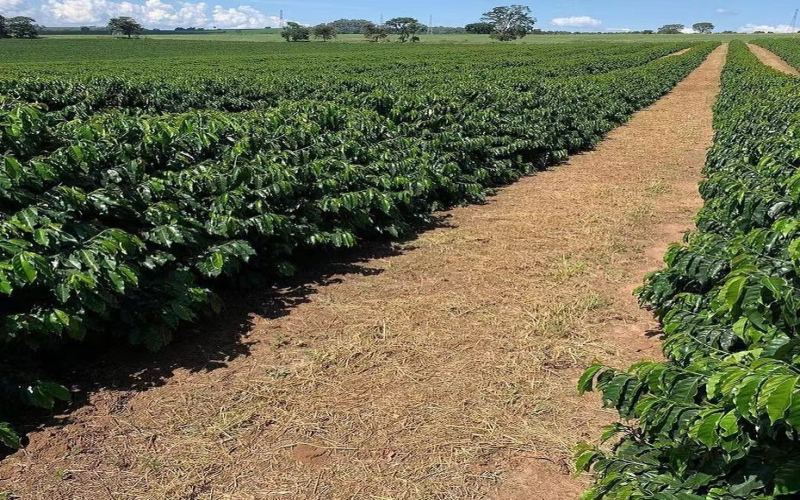
A Complete Guide to Brazilian Coffee Flavors: From Cerrado and Mogiana Regions to the Right Way to Enjoy Red and Yellow Bourbon
Brazil is the world's largest coffee producer, and coffee holds a status in this South American country akin to the significance of tea in the hearts of Chinese people. Although Brazilian single-origin beans are less common on the market than espresso blends, their balanced, low-acid profile with distinct nutty and chocolate notes makes them an ideal choice for many coffee lovers who dislike sour or bitter flavors. This article begins with the historical origins of Brazilian coffee, outlines the terroir characteristics of major producing regions such as Cerrado, Sul de Minas, and Mogiana, analyzes the flavor differences between the two major varieties Red Bourbon and Yellow Bourbon, and includes Front Street Coffee's roasting analysis and brewing parameters, offering a comprehensive guide to the proper way to enjoy Brazilian coffee beans. [more…]
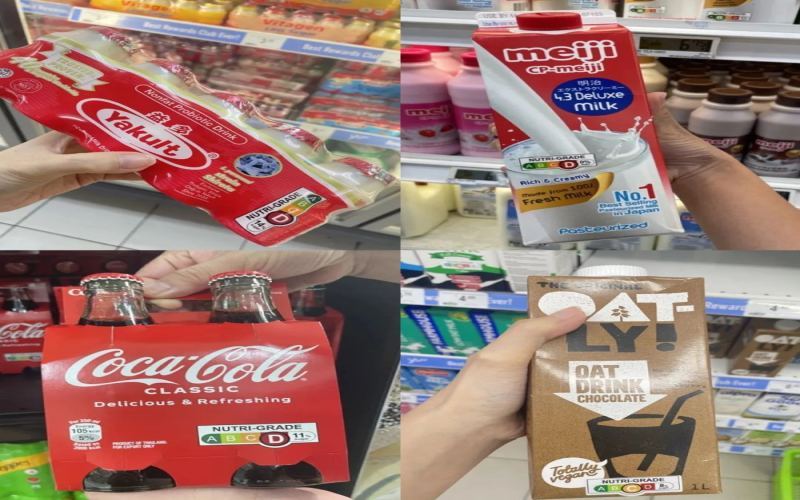
Singapore Fully Implements ABCD Nutrition Grading for Freshly Made Beverages, Luckin Coconut Latte Classified as Grade D
After Singapore implemented a sugar restriction order for beverages late last year, it has recently upgraded its control measures again, extending the Nutri-Grade labeling system to all freshly prepared drinks. From freshly brewed coffee and milk tea to fresh juices, even toppings like pearls and coconut jelly must now be labeled with their sugar content. Brands such as Starbucks, KOI Thé, and Ya Kun have gradually updated their menus, and Luckin's Coconut Latte has been classified as Grade D due to its high sugar and fat content. How exactly does this ABCD grading system work? What impact does it have on lattes and black coffee, which coffee lovers often drink? This article will outline the details of the new regulations and market reactions, and include purchasing advice from Front Street Coffee. [more…]

Analysis of the Evolution of Brazilian Coffee Regions and the Pulped Natural Process, Plus Brewing Parameters for Queen Farm's Yellow Bourbon
Brazil, as the world's largest coffee-producing country, has profoundly influenced the global coffee landscape through the development of its producing regions, the evolution of processing methods, and the cultivation of varieties. From the perspective of Front Street Coffee, this article traces the historical thread of Brazilian coffee from natural processing to the uniquely invented semi-washed (pulped natural) method, analyzes the terroir characteristics of three major specialty regions—Sul de Minas, Cerrado, and Mogiana—and provides a detailed introduction to major varieties such as Red Bourbon, Yellow Bourbon, Mundo Novo, and Yellow Catuai. At the same time, using Queen's Farm Yellow Bourbon as an example, it presents Front Street's recommended pour-over extraction parameters and three-stage pouring technique, helping coffee enthusiasts gain a more comprehensive understanding of the nutty flavor and full-bodied mouthfeel of Brazilian coffee. [more…]
A Complete Guide to Brazilian Coffee Varieties: Flavor Profiles and Pour-Over Parameters from Red Bourbon to Yellow Catuai
Brazil, as the world's largest coffee-producing country, is known for coffee beans with low acidity, nutty flavors, and a full-bodied mouthfeel. This article will guide you through a systematic understanding of Brazil's main cultivated varieties—Red Bourbon, Yellow Bourbon, Mundo Novo, and Yellow Catuai—analyze how Brazil's unique semi-washed processing method enhances bean cleanliness, and take an in-depth look at the terroir characteristics of core producing regions such as Minas Gerais and São Paulo. Front Street Coffee will also use the Queen's Farm Yellow Bourbon as an example to share a three-pour hand-brewing recipe with 15g of grounds, a 1:15 coffee-to-water ratio, and 88°C water temperature, helping you brew out the cane sugar sweetness and rounded mouthfeel of Brazilian beans. [more…]
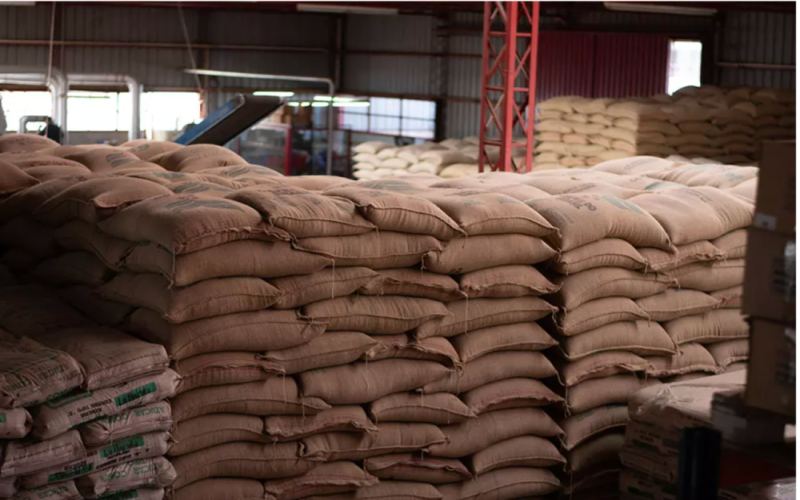
Analysis of Brazil Queen Estate Coffee Bean Flavor: A Full Guide to Medium Roast Nutty Sweetness and Pulped Natural Processing
Brazil, as the world's largest coffee producer, is known for its low acidity, nutty notes, and balanced, full-bodied character. This article focuses on the Brazil Red Fruit and Queen's Estate Yellow Bourbon from Front Street Coffee's everyday beans series. Starting from the medium-roast nutty, chocolate, and creamy flavors, it systematically reviews the historical development of Brazilian coffee, the main varieties (Red Bourbon, Yellow Bourbon, Mundo Novo, Catuai), the four core producing regions (Minas Gerais, São Paulo, Bahia, Espírito Santo) and their sub-regions (South Minas, Cerrado, Mogiana), and provides an in-depth analysis of how Brazil's original pulped natural process enhances cleanliness and ripeness. At the end, it offers hand-brewing parameters and a three-stage pouring method for the Queen's Estate Yellow Bourbon, helping coffee enthusiasts recreate its sugarcane sweetness and dark chocolate finish at home. [more…]
Analysis of Brazilian Coffee Flavor Characteristics: Medium Roast Nutty Notes and a Pour-Over Tutorial for Queen's Farm Yellow Bourbon
Brazil, as the world's largest coffee producer, is known for its low acidity, nutty and chocolatey flavors, and balanced, full-bodied taste. Starting from the historical origins and main producing regions of Brazilian coffee, this article provides a detailed introduction to the terroir characteristics of three major specialty regions—South Minas, Cerrado, and Mogiana—and offers an in-depth analysis of how Brazil's unique pulped natural process shapes its clean and sweet flavor. The article also specifically introduces the Queen Estate Yellow Bourbon coffee beans recommended by Front Street Coffee, covering their flavor description as well as complete pour-over parameters and three-stage pouring steps, providing coffee enthusiasts with a practical guide to tasting and brewing Brazilian coffee. [more…]